Protecting Your Results After Body Lift Surgery
Body lift surgery can address loose, excess skin and reshape areas of the body following significant weight loss, aging, or other major physical changes. While surgery may improve body contours, maintaining those changes is an ongoing process. North Charlotte Plastic & Reconstructive Surgery encourages patients in Huntersville, NC, and surrounding communities to understand how healthy lifestyle habits can play an important role in supporting long-term wellness after body contouring procedures.
A body lift does not prevent future weight fluctuations. Significant weight gain or loss after surgery may stretch the remaining skin, alter body proportions, and affect the appearance of the surgical result. Developing sustainable exercise, nutrition, and self-care habits can therefore become an important part of life after recovery.
Returning to Exercise Safely After Surgery
Exercise is valuable for maintaining a stable weight, preserving muscle mass, supporting cardiovascular health, and promoting overall well-being. However, returning to physical activity too quickly after a body lift may interfere with healing. During the initial recovery period, patients generally need to limit strenuous exercise, heavy lifting, and movements that place excessive tension on healing incisions.
Light walking is commonly incorporated earlier in recovery because gentle movement supports circulation and helps patients gradually regain mobility. As healing progresses, a surgeon may clear the patient to increase activity and eventually resume more demanding cardiovascular and strength-training exercises. Recovery timelines vary considerably, so activity should be advanced according to individualized medical guidance rather than a predetermined fitness schedule.
Building an Exercise Routine for Weight Maintenance
Once fully cleared for exercise, combining cardiovascular activity with resistance training can provide a balanced approach to long-term weight management. Walking, cycling, swimming, and other aerobic activities can help support cardiovascular fitness and energy expenditure. Strength training can complement these activities by maintaining or building lean muscle.
Consistency is generally more sustainable than extreme exercise programs. Patients may benefit from selecting activities they enjoy and gradually building them into their weekly routine. Maintaining a realistic fitness schedule can make exercise easier to continue over months and years, which is particularly important because body lift results are best supported by long-term weight stability rather than short periods of intense dieting or exercise.
Supporting Your Body Through Nutrition and Self-Care
Exercise represents only one part of maintaining a stable weight. Balanced nutrition can support both postoperative healing and long-term health. A diet that includes adequate protein, vegetables, fruits, whole grains, and other nutrient-dense foods can provide the body with essential nutrients while supporting healthy weight management. Hydration is also important for normal bodily functions and overall wellness.
Self-care also includes paying attention to sleep, stress, and everyday routines. Inadequate sleep and chronic stress can make healthy eating and consistent exercise more difficult to maintain. Instead of viewing postoperative self-care as a temporary recovery plan, patients can use the experience as an opportunity to establish habits that support their health well beyond the surgical healing period.
Caring for Scars and Healing Tissues
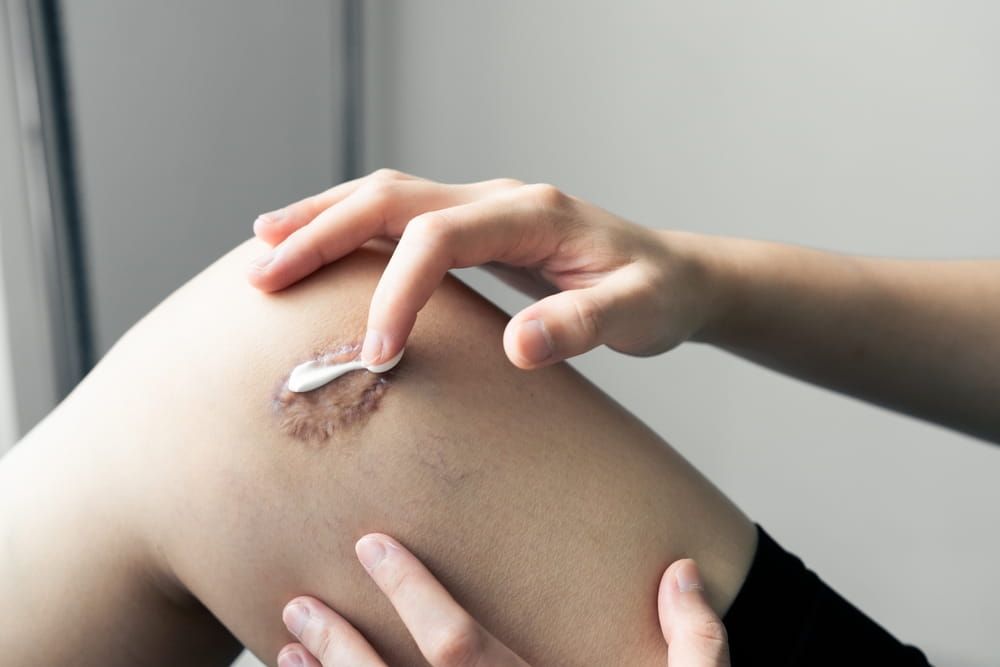
Postoperative care also involves protecting surgical areas as they mature. Patients should carefully follow instructions regarding incision care, compression garments, bathing, activity restrictions, and scar management. Once incisions have sufficiently healed, a surgeon may recommend specific scar-care strategies depending on the individual patient and procedure.
Patients should also protect healing scars from excessive sun exposure, since ultraviolet exposure can contribute to noticeable changes in scar pigmentation. Anyone considering over-the-counter scar products or treatments should discuss them with their surgical team before use, particularly during the early stages of healing.
Making Long-Term Wellness Part of Your Results
Maintaining body lift results is less about achieving a specific number on the scale and more about developing a stable, sustainable lifestyle. Normal changes associated with aging will continue, but avoiding major weight fluctuations may help preserve body contours and reduce additional stretching of the skin. Patients should also maintain appropriate follow-up care and discuss unexpected changes, healing concerns, or questions about exercise with their healthcare provider.
For individuals learning about Body Contouring and related options, understanding the commitment after surgery is just as important as understanding the procedure itself. North Charlotte Plastic & Reconstructive Surgery provides educational information for patients in Huntersville, NC, who want to better understand plastic surgery, recovery, and the lifestyle considerations associated with long-term results.
Resources
American Society of Plastic Surgeons. (n.d.). Body Lift. American Society of Plastic Surgeons.
Centers for Disease Control and Prevention. (2025). Physical Activity and Your Weight and Health. Centers for Disease Control and Prevention.
U.S. Department of Health and Human Services. (2018). Physical Activity Guidelines for Americans, 2nd Edition. U.S. Department of Health and Human Services.