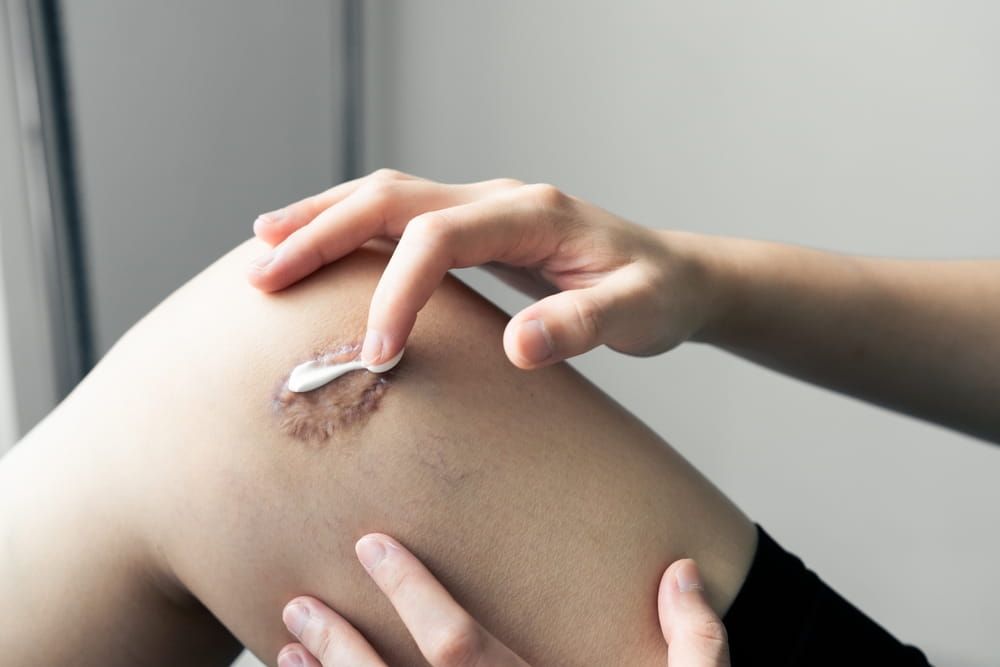
Scar revision is a process designed to improve the appearance, texture, or function of a scar after an injury, surgery, or other skin trauma. At North Charlotte Plastic & Reconstructive Surgery in Huntersville, NC, patients often seek guidance on how to care for their skin after undergoing scar revision procedures. While medical treatments play an important role, proper at-home care is equally essential in achieving optimal results.
Healing after scar revision is not immediate; it occurs in stages and can take several weeks to months. During this time, the body works to rebuild collagen, restore skin integrity, and reduce inflammation. Understanding this timeline helps patients set realistic expectations and remain consistent with their care routines. The more attentive and proactive the self-care approach, the better the long-term outcome tends to be.
Immediate Post-Procedure Care
Protecting the Treated Area
In the first few days after scar revision, the skin is particularly sensitive and vulnerable. Keeping the area clean and protected is crucial to prevent infection and promote proper healing. Patients are typically advised to follow gentle cleansing routines and avoid harsh products that could irritate the skin.
Covering the treated area with appropriate dressings, as directed by a healthcare provider, can help shield it from environmental contaminants. It is also important to avoid touching or picking at the healing skin, as this can disrupt the repair process and potentially worsen the appearance of the scar.
Managing Discomfort and Swelling
Mild swelling, redness, and discomfort are common after scar revision procedures. Applying cool compresses and keeping the area elevated, when possible, can help reduce swelling. Over-the-counter pain relief may also be recommended, depending on individual needs.
Rest plays a key role in recovery. Allowing the body time to heal without added stress or strain can make a noticeable difference in how quickly and effectively the skin repairs itself.
The Role of Moisture and Hydration
Keeping the skin properly hydrated is one of the most important aspects of scar care. Moisturized skin is more flexible, which helps prevent tightness and supports smoother healing. Using gentle, fragrance-free moisturizers can help maintain the skin barrier and reduce irritation.
Topical treatments, such as Silagen Scar Therapy, are often used to support scar healing. These products are designed to create a protective barrier over the skin while improving the appearance of scars over time. Consistent application, as directed, can help soften and flatten scars while reducing redness.
Drinking enough water also supports overall skin health from within. Hydration aids in circulation and nutrient delivery, both of which are essential for tissue repair.
Sun Protection and Scar Healing
Exposure to the sun can significantly impact how a scar heals. Ultraviolet (UV) rays can darken scars, making them more noticeable and potentially prolonging the healing process. For this reason, protecting the treated area from sun exposure is critical.
Patients are encouraged to use broad-spectrum sunscreen with a high SPF once the skin has sufficiently healed. Wearing protective clothing or keeping the area covered when outdoors can provide an additional layer of defense. Even brief sun exposure can affect pigmentation, so consistent protection is key throughout the healing period.
Nutrition and Lifestyle Factors
Supporting Healing from Within
A balanced diet rich in essential nutrients can enhance the body’s natural healing abilities. Protein is particularly important, as it supports tissue repair and collagen production. Vitamins such as A and C, along with minerals like zinc, contribute to skin regeneration and immune function.
Incorporating nutrient-dense foods such as lean meats, fruits, vegetables, and whole grains can provide the building blocks needed for effective healing. Limiting processed foods and sugar can also help reduce inflammation and support overall recovery.
Healthy Habits That Make a Difference
Lifestyle choices can have a direct impact on scar healing. Avoiding smoking is especially important, as it restricts blood flow and slows the body’s ability to repair tissue. Regular, gentle movement can promote circulation, but strenuous activities should be avoided until cleared by a healthcare provider.
Adequate sleep is another often-overlooked factor. The body performs much of its repair work during rest, making quality sleep essential for optimal recovery.
Long-Term Scar Management Strategies
Scar care does not end once the initial healing phase is complete. Long-term management is often necessary to achieve the best possible results. This may include ongoing use of topical treatments, regular skin assessments, and adjustments to skincare routines.
In some cases, additional non-invasive treatments such as RF Microneedling or Chemical Peels may be considered to further improve skin texture and tone. These approaches can help stimulate collagen production and refine the appearance of scars over time.
Patience is essential during this stage. Scars can continue to evolve and improve for up to a year or more, and consistent care plays a significant role in the final outcome.
When to Seek Professional Guidance
While many aspects of scar care can be managed at home, there are times when professional input is necessary. If a scar becomes increasingly red, raised, painful, or shows signs of infection, it is important to seek medical advice promptly.
Regular follow-up appointments can help ensure that healing is progressing as expected. Healthcare providers can offer personalized recommendations, adjust treatment plans, and address any concerns that arise during the recovery process.
Conclusion
Scar revision is just one step in the journey toward improved skin appearance, and proper healing requires a thoughtful combination of medical care and self-care practices. By focusing on hydration, protection, nutrition, and consistency, individuals can support their body’s natural healing process and achieve better results. At North Charlotte Plastic & Reconstructive Surgery in Huntersville, NC, patients are encouraged to take an active role in their recovery, helping them feel confident and comfortable in their skin over time.
Sources
Gold, M. H. (2014). A controlled clinical trial of silicone gel sheeting in the treatment of hypertrophic scars and keloids. Journal of the American Academy of Dermatology.
American Academy of Dermatology Association. (2022). Scar Treatment: How to Heal and Minimize Scars.
Berman, B., & Flores, F. (1998). The treatment of hypertrophic scars and keloids. European Journal of Dermatology.