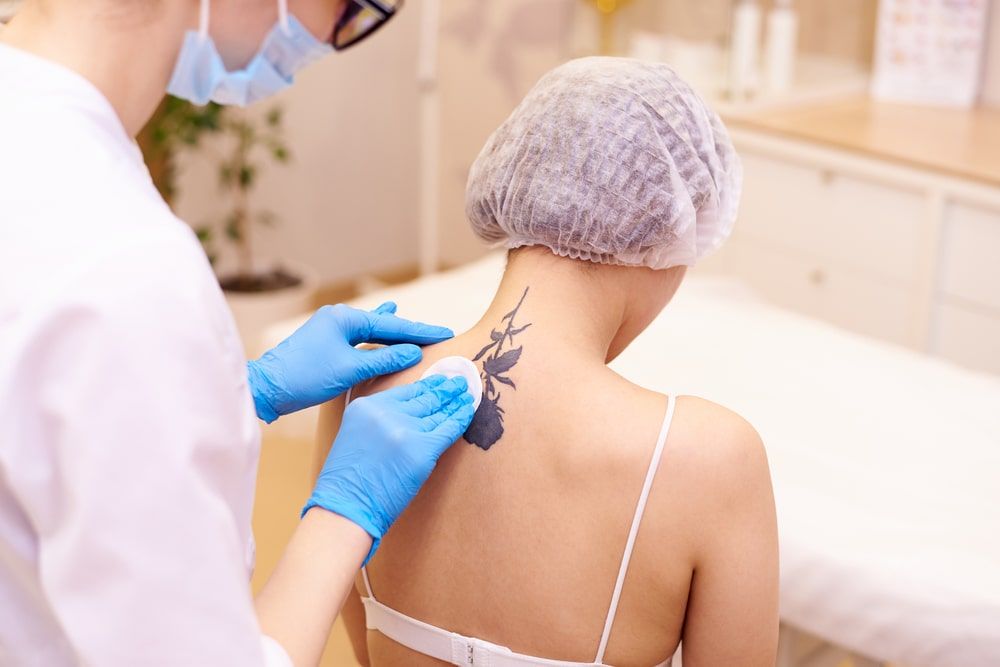
Removing a tattoo is a common choice for many people, whether for personal, professional, or aesthetic reasons. At North Charlotte Plastic & Reconstructive Surgery in Hunterville, NC, understanding proper skin care during and after tattoo removal is essential for achieving the best results while minimizing complications. Tattoo removal involves breaking down ink particles in the skin using advanced technologies, and the process can temporarily leave the skin sensitive and vulnerable. Proper care, combined with professional guidance, ensures your skin heals effectively, remains healthy, and looks its best once the tattoo is gone.
Understanding Tattoo Removal
Tattoo removal typically uses laser treatments to target pigment beneath the skin. The laser energy breaks the ink into smaller particles, which the body then naturally eliminates. The process often requires multiple sessions, spaced several weeks apart, depending on the size, color, and depth of the tattoo. During this time, the skin may experience redness, swelling, or minor blistering. Understanding these reactions helps you set realistic expectations and take the right precautions to support healing.
Factors such as skin type, tattoo color, and previous skin conditions also influence how your skin responds to removal. Some areas of the body may be more sensitive than others, requiring additional attention and care. Protecting your skin from infection and avoiding sun exposure are critical components of maintaining skin health during this process.
Preparing Your Skin Before Treatment
Proper preparation can improve the safety and effectiveness of tattoo removal. Start by keeping the area clean and moisturized in the weeks leading up to your session. Avoid tanning, as sun-exposed skin is more prone to irritation or hyperpigmentation. Refrain from using harsh exfoliants or chemical treatments on the tattooed area immediately before your appointment.
Some patients may benefit from incorporating gentle Skin Care routines, including moisturizing and hydrating serums, which can improve the overall resilience of the skin before laser sessions. Additionally, discussing any medical conditions or medications with your provider ensures that the treatment plan is tailored to your specific needs. A prepared, healthy skin barrier reduces the risk of complications and promotes faster recovery.
Caring for Skin After Tattoo Removal
After each tattoo removal session, the skin requires careful attention to prevent infection and promote healing. It’s common to experience redness, tenderness, or minor scabbing. Keeping the area clean and lightly moisturized is crucial. Using fragrance-free, gentle products helps avoid irritation. Avoid scratching or picking at scabs, as this can lead to scarring or uneven skin texture.
For deeper skin rejuvenation after laser removal, treatments such as RF Microneedling or Chemical Peels can help improve skin texture, reduce residual pigmentation, and stimulate collagen production. Protecting the area from sun exposure using broad-spectrum sunscreen is also essential, as UV rays can cause discoloration or slow the healing process. Following a consistent post-treatment care routine ensures your skin remains healthy and smooth as it recovers.
Managing Sensitivity and Skin Health
During and after tattoo removal, skin may feel sensitive or prone to inflammation. Cold compresses can help reduce swelling and discomfort, while over-the-counter pain relief may be used as recommended by a provider. Staying hydrated and maintaining a diet rich in antioxidants supports overall skin healing and regeneration.
If any prolonged redness, blistering, or unusual reactions occur, seeking professional guidance promptly is important. For patients concerned with scarring or uneven healing, targeted therapies like Silagen Scar Therapy can help improve the appearance of affected areas. Combining careful post-treatment care with professional interventions ensures that the skin not only heals properly but also retains its natural texture and tone.
Long-Term Skin Maintenance
Once tattoo removal is complete, long-term skin maintenance is key to preserving smooth, healthy skin. Regular moisturizing, sun protection, and gentle exfoliation keep the area supple and reduce the likelihood of pigmentation changes. Periodic professional check-ins can help monitor skin recovery and address any lingering concerns.
Integrating treatments such as IPL Laser can also enhance overall skin tone and texture, particularly for areas with residual pigmentation or sun damage. By staying proactive with post-removal skin care and combining it with advanced treatments when necessary, you can enjoy a clear, smooth complexion long after your tattoo is gone. At North Charlotte Plastic & Reconstructive Surgery in Hunterville, NC, following proper care protocols ensures optimal results while maintaining healthy, resilient skin.
Resources
Kilmer, S. L., & Saedi, N. (2011). Laser Tattoo Removal: A Review. Dermatologic Surgery.
Taylor, C. R., et al. (2006). Principles of Laser Treatment for Tattoo Removal. Journal of Clinical and Aesthetic Dermatology.
Alster, T. S., & Tanzi, E. L. (2009). Safety and Efficacy of Tattoo Removal. Plastic and Reconstructive Surgery.