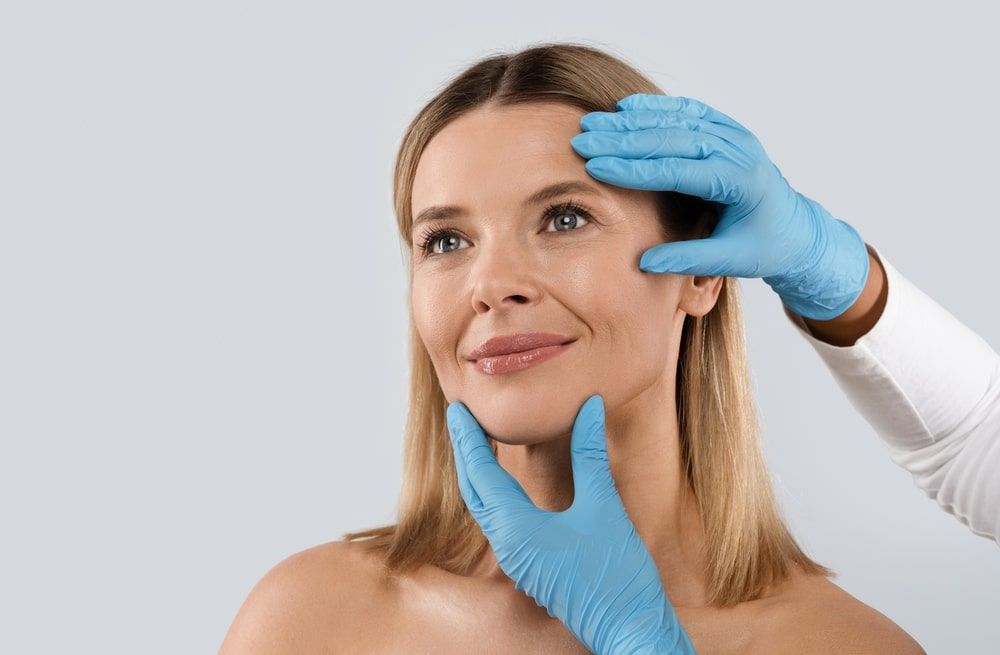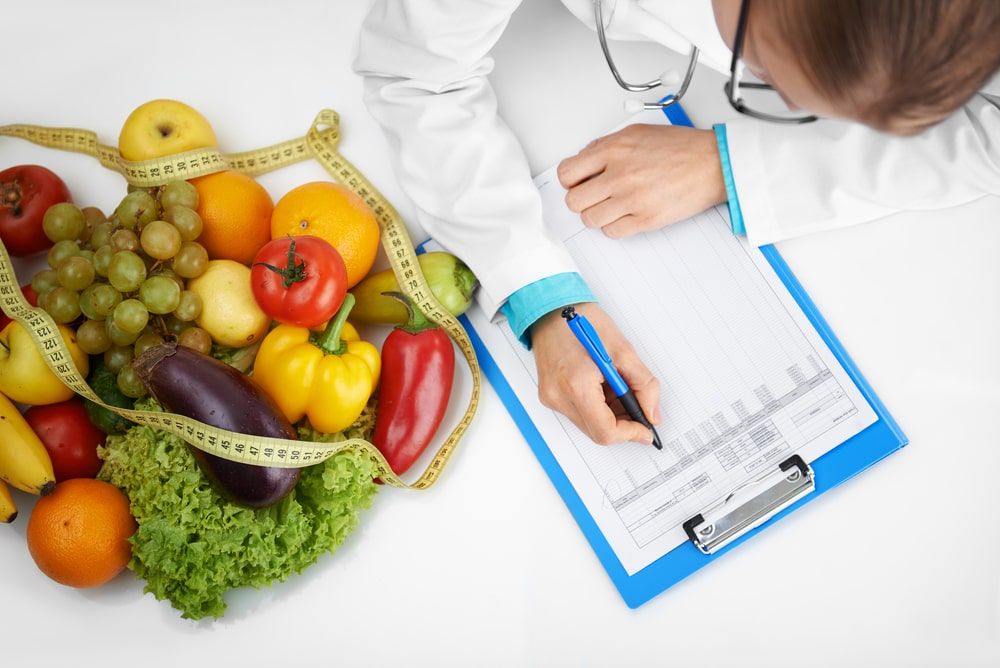
When considering plastic surgery in Hunterville, NC, at North Charlotte Plastic & Reconstructive Surgery, understanding the role of nutrition is essential. Proper nutrition not only supports healing but also enhances the overall results of procedures, from facelifts to body contouring. Many patients underestimate how significantly diet and supplementation can impact recovery, tissue repair, and even long-term surgical outcomes. By asking the right questions about nutrition, you can ensure your body is well-prepared before surgery and optimally supported afterward.
What Are the Best Foods to Eat Before Surgery?
Discussing preoperative nutrition with your plastic surgeon is crucial. Certain nutrients, like protein, vitamin C, and zinc, play a pivotal role in wound healing and tissue regeneration. For example, patients preparing for procedures such as a facelift or eyelid surgery may be advised to increase protein intake to support collagen production and reduce recovery time.
It’s also important to ask about foods that could interfere with anesthesia or increase bleeding risk, such as garlic, ginger, or high doses of vitamin E. Surgeons can provide a tailored plan to ensure that your meals before surgery support your body rather than compromise it. Knowing which foods to prioritize and which to avoid can significantly influence healing, reduce swelling, and minimize complications.
Should I Take Supplements Before and After Surgery?
Many patients wonder whether multivitamins, herbal supplements, or protein powders are safe around the time of surgery. Some supplements, while generally healthy, can interfere with blood clotting or anesthesia. Asking your surgeon for guidance ensures you take only what is safe and beneficial.
Supplements rich in protein, vitamin C, and omega-3 fatty acids may be encouraged, particularly for procedures like body contouring or a tummy tuck, which require significant tissue healing. Postoperative nutrition planning often includes protein-rich shakes or vitamin regimens that optimize recovery and reduce inflammation. Clear guidance from your surgeon helps prevent adverse effects while maximizing your body’s ability to heal efficiently.
How Should My Diet Change During Recovery?
Recovery nutrition is as important as preoperative preparation. High-protein meals, plenty of fruits and vegetables, and adequate hydration help support tissue repair and reduce swelling. For patients recovering from procedures such as a breast lift or liposuction, maintaining steady nutrient intake can prevent fatigue, aid in collagen formation, and minimize scar tissue issues.
Patients should also discuss potential dietary restrictions that could affect healing, such as limiting salt to reduce swelling or avoiding alcohol that can interfere with medication and slow recovery. Surgeons can provide a phased nutrition plan that evolves from immediate postoperative care to long-term wellness, ensuring patients are fueling their bodies appropriately throughout every stage of healing.
Questions About Hydration and Wound Healing
Hydration plays a critical role in recovery, affecting everything from skin elasticity to overall energy levels. Asking your surgeon how much water to drink and whether electrolyte supplementation is recommended can improve outcomes for surgeries like Mommy Makeovers or Brachioplasty. Proper hydration supports circulation, reduces swelling, and helps flush anesthesia and medications from the system more efficiently.
Understanding the connection between water, nutrient absorption, and tissue repair allows patients to proactively manage their healing. Some surgeons may suggest hydrating with nutrient-rich broths or smoothies that provide both fluids and essential vitamins, ensuring the body remains resilient during recovery.
Empowering Your Recovery Through Nutrition
Asking these nutrition-focused questions at North Charlotte Plastic & Reconstructive Surgery in Hunterville, NC, equips patients with the knowledge to enhance healing, reduce complications, and achieve the best possible results. By preparing your body with the right foods, supplements, and hydration strategies, you can significantly improve recovery outcomes and overall satisfaction with your procedures. Nutrition is a powerful tool that complements surgical expertise, making it a critical part of any plastic surgery journey.
Resources:
- Academy of Nutrition and Dietetics. Nutrition Guidelines for Surgery Patients.
- American Society of Plastic Surgeons. Preparing for Surgery: Nutrition and Recovery.
- Harvard Health Publishing. Healing After Surgery: The Role of Diet and Hydration.