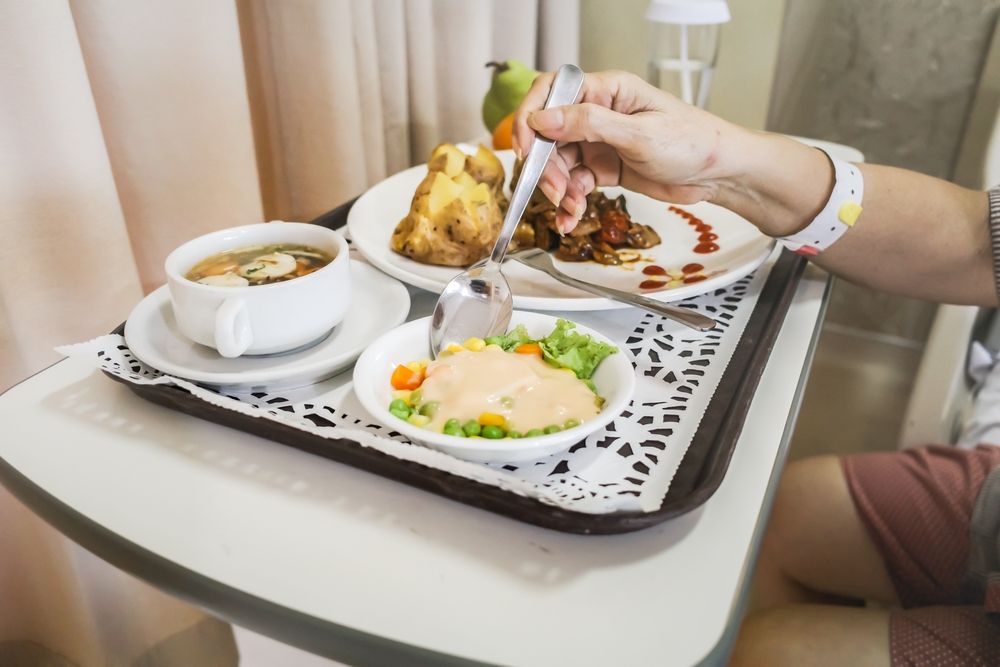
Recovering from reconstructive surgery requires more than rest and proper wound care. For patients in Hunterville, NC, understanding the role of nutrition in supporting healing is crucial. At North Charlotte Plastic & Reconstructive Surgery, educating patients on dietary strategies that aid tissue repair, reduce inflammation, and maintain overall health is an essential part of the recovery process. Nutritional intake directly affects the body’s ability to rebuild tissues, manage swelling, and prevent complications, making it a critical component of post-surgical care.
Proper nutrition after surgery is not just about maintaining energy; it actively contributes to cellular repair and collagen production. The right balance of macronutrients, vitamins, and minerals creates an environment where the body can efficiently heal, reducing recovery time and promoting optimal outcomes. Understanding how to align meals with the healing process allows patients to support both physical recovery and long-term health.
Proteins and Amino Acids: The Building Blocks of Healing
Proteins are fundamental for recovery because they provide the amino acids necessary for tissue repair and regeneration. After reconstructive surgery, the body experiences increased demands for protein to repair surgical sites, rebuild muscles, and restore skin integrity. Sources such as lean meats, eggs, fish, legumes, and dairy can supply the essential amino acids needed to facilitate healing.
In addition to whole protein sources, some amino acids, like arginine and glutamine, play specialized roles in recovery. Arginine supports collagen formation and immune function, while glutamine aids in reducing inflammation and maintaining gut health, which is often stressed during the recovery process. Including a variety of protein sources ensures that patients in Hunterville, NC, provide their bodies with the complete spectrum of nutrients necessary for effective healing.
Vitamins and Minerals for Tissue Repair
Micronutrients are equally critical in post-surgical nutrition because they support enzymatic reactions, immune function, and antioxidant defense systems. Vitamin C is essential for collagen synthesis and wound strength, while vitamin A supports skin and mucosal repair. Zinc contributes to tissue regeneration and helps combat infection, and vitamin D plays a role in immune modulation and bone health.
Incorporating a balanced intake of fruits, vegetables, nuts, and seeds ensures that the body receives these essential micronutrients. Hydration also plays a vital role in nutrient transport, toxin elimination, and maintaining skin elasticity. Patients who prioritize micronutrient-rich foods during recovery enhance their body’s ability to heal efficiently and reduce the likelihood of complications.
Balancing Energy and Anti-Inflammatory Foods
Adequate caloric intake is necessary to meet the energy demands of recovery. The body requires additional energy to support cell proliferation, immune function, and tissue remodeling. Along with sufficient calories, incorporating anti-inflammatory foods, such as fatty fish rich in omega-3 fatty acids, leafy greens, and berries, helps reduce post-surgical swelling and supports overall well-being.
While protein and micronutrients are critical, avoiding excessive sugars, processed foods, and alcohol is equally important. These can increase inflammation and impair immune function, slowing the healing process. By focusing on nutrient-dense, anti-inflammatory meals, patients create a supportive environment that accelerates recovery while maintaining long-term health benefits.
Practical Strategies for Post-Surgical Nutrition
Patients can optimize their recovery by following some practical dietary strategies:
- Prioritize high-quality protein at every meal
- Include a variety of colorful fruits and vegetables for vitamins and antioxidants
- Stay hydrated with water, broths, and herbal teas
- Incorporate healthy fats, such as olive oil, avocado, and fatty fish
- Avoid excessive processed foods, sugars, and alcohol
These simple yet effective steps ensure that the body has the fuel necessary to heal efficiently while supporting overall health and well-being.
Supporting Recovery Through Nutrition
Nutrition plays an indispensable role in post-surgical healing after reconstructive procedures. By focusing on protein, essential vitamins and minerals, adequate energy, and anti-inflammatory foods, patients in Hunterville, NC, can optimize their recovery process. North Charlotte Plastic & Reconstructive Surgery emphasizes the importance of understanding how proper dietary choices complement physical healing, enabling patients to achieve better results, reduced recovery times, and enhanced overall health. With mindful nutrition, recovery becomes a proactive, empowering process rather than just a passive waiting period.
Resources:
McLaughlin, K. A., & Nolen-Hoeksema, S. (2011). Rumination as a Transdiagnostic Factor in Depression and Anxiety. Behavior Research and Therapy.
Whelan, J., & Fenton, T. R. (2019). Nutrition in Surgical Recovery: Optimizing Patient Outcomes. Clinical Nutrition Reviews.
Kleiner, S. M. (2015). Nutrition and Wound Healing. Journal of the American Dietetic Association.