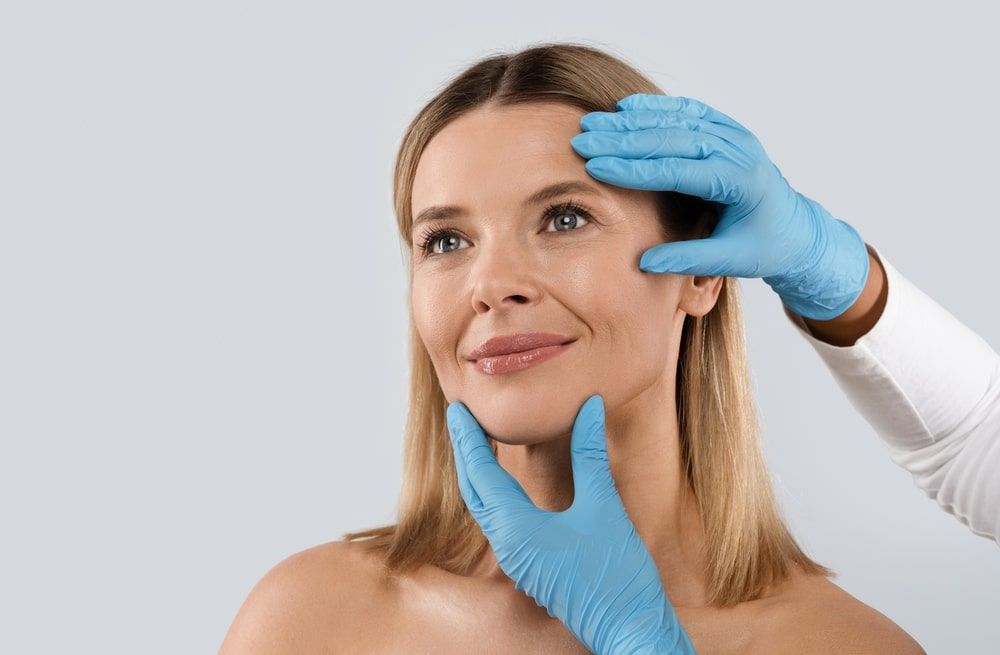
Plastic surgery is often associated with physical transformation, but emotional wellness is an equally important aspect of the process. At North Charlotte Plastic & Reconstructive Surgery in Hunterville, NC, patients frequently ask how cosmetic procedures can affect mental and emotional well-being. Emotional wellness in this context refers to feeling confident, satisfied, and comfortable in one’s appearance while maintaining realistic expectations.
Research shows that individuals who undergo procedures with a clear understanding of their goals and motivations often experience increased self-esteem, reduced appearance-related anxiety, and improved overall mood. However, plastic surgery is not a solution for deeper psychological issues such as depression or anxiety. Understanding one’s intentions and consulting with qualified professionals helps ensure that emotional benefits complement the physical results.
Common Questions About Emotional Impacts
Patients often wonder whether a procedure will truly make them happier or if it will meet their expectations. One key question is: “Can plastic surgery improve confidence?” Studies indicate that targeted procedures, such as eyelid surgery or facelifts, can enhance self-perception and satisfaction with appearance when approached thoughtfully. These procedures can restore features affected by aging, creating a refreshed look that aligns with how patients feel internally.
Another frequent concern is the potential for disappointment after surgery. Individuals are encouraged to discuss realistic outcomes with their surgeon and consider non-invasive treatments like Botox injections, injectable fillers, or RF microneedling to supplement results. These treatments can address subtle concerns, providing incremental improvements that support both appearance and emotional well-being without the commitment of extensive surgery.
Preparing Mentally for Surgery
Preparation is essential for maintaining emotional wellness before, during, and after plastic surgery. Patients are often advised to reflect on why they are seeking change, set achievable expectations, and plan for a recovery period that accommodates both physical and mental healing. Non-surgical options, such as chemical peels or CoolPeel CO2, can serve as introductory procedures that help individuals become familiar with aesthetic treatments in a low-pressure way, easing anxiety about more invasive interventions.
Support systems, including friends, family, or mental health professionals, can also play a vital role in maintaining emotional balance. Engaging in these conversations helps patients separate personal satisfaction from external validation and fosters a healthier, more sustainable approach to cosmetic enhancement.
Procedures That Can Boost Emotional Confidence
Certain procedures are particularly impactful for emotional wellness because they target features that significantly influence self-image. Forehead lifts can reduce worry lines and provide a rejuvenated, approachable expression. Otoplasty can correct protruding or asymmetrical ears, often easing long-term self-consciousness. Even small enhancements, like Latisse for fuller eyelashes or professional skin care routines, can improve perception of oneself, supporting confidence in everyday interactions.
Many patients find that combining surgical and non-surgical treatments strategically enhances their emotional satisfaction. For example, pairing a facelift with complementary laser treatments, such as IPL laser, can achieve both structural improvements and surface-level rejuvenation, providing a comprehensive boost to self-image.
Post-Procedure Emotional Care
Emotional wellness continues after surgery through self-care and realistic expectations about recovery timelines. Swelling, bruising, or temporary discomfort can affect mood, so patients are encouraged to plan for patience and gradual results. Following professional guidance for post-operative care, including skin treatments like Silagen Scar Therapy or supportive routines, ensures that patients see their best results safely and confidently.
Ultimately, combining emotional awareness with well-planned procedures helps individuals approach plastic surgery with a balanced mindset. By focusing on overall wellness, patients in Hunterville, NC, can experience the physical and psychological benefits of cosmetic treatments harmoniously, fostering long-term confidence and satisfaction. North Charlotte Plastic & Reconstructive Surgery emphasizes education, support, and realistic goal-setting to help patients achieve positive outcomes for both appearance and emotional well-being.
Resources
- Sarwer, D. B., & Crerand, C. E. (2008). Body Image and Cosmetic Surgery. Body Image Journal.
- von Soest, T., et al. (2009). Psychological Outcomes of Cosmetic Surgery: Longitudinal Evidence. Journal of Plastic, Reconstructive & Aesthetic Surgery.
- Rohrich, R. J., & Pessa, J. E. (2011). Understanding the Psychological Aspects of Cosmetic Surgery. Plastic and Reconstructive Surgery Journal.