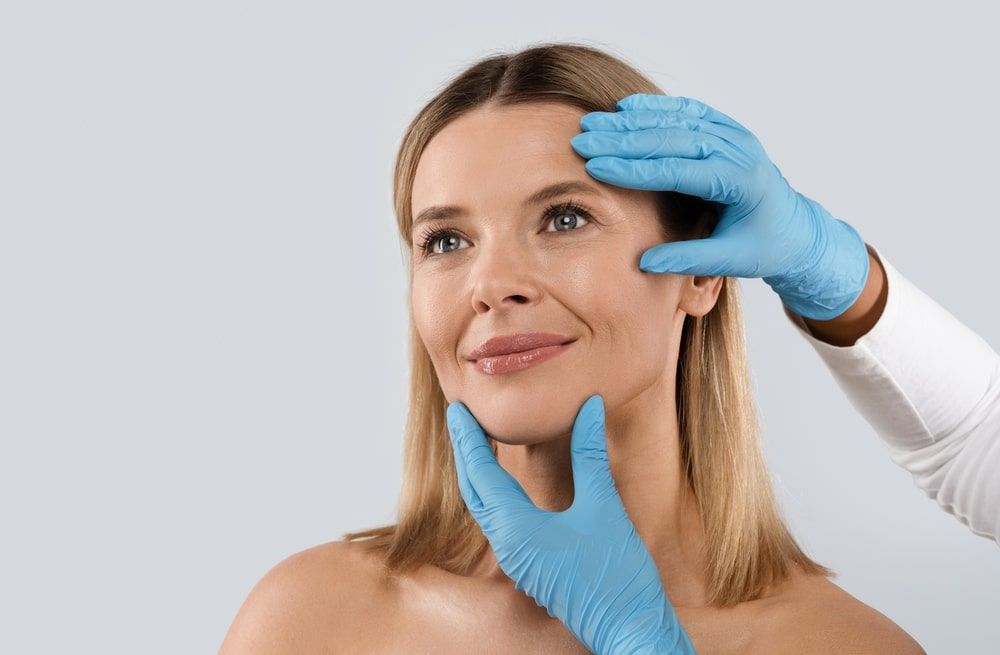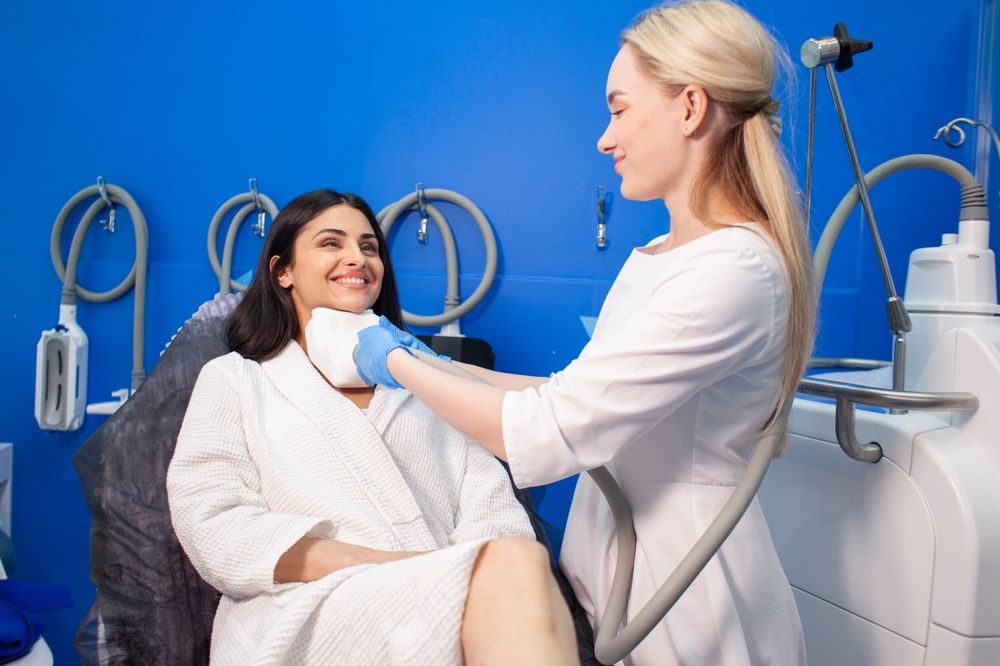
CoolSculpting is a non-invasive procedure designed to target stubborn fat and enhance body contours. For patients in Hunterville, NC, understanding the role of lifestyle choices in supporting results is essential. At North Charlotte Plastic & Reconstructive Surgery, the focus is on educating patients about the ways healthy habits can complement body contouring procedures. While CoolSculpting effectively eliminates fat cells in treated areas, maintaining long-term results depends on balanced nutrition, regular physical activity, and mindful lifestyle practices. These strategies help prevent new fat accumulation and maximize the aesthetic benefits of the treatment.
The journey toward optimal results extends beyond the treatment itself. Patients who adopt healthy habits reinforce the body’s natural processes, promote overall wellness, and sustain improvements achieved through CoolSculpting. Understanding these factors empowers individuals to make informed choices that enhance both appearance and long-term health.
Nutrition and Maintaining Fat Reduction
Diet plays a pivotal role in sustaining CoolSculpting results. Consuming nutrient-dense meals helps maintain a healthy body weight and reduces the risk of fat returning to treated areas. Emphasizing lean proteins, complex carbohydrates, and healthy fats supports metabolism and provides the energy needed for daily activities.
Equally important is limiting processed foods, refined sugars, and excess saturated fats, as these can contribute to weight gain and counteract the results of fat reduction. Hydration is another critical component, as water aids in digestion, circulation, and cellular function. Patients in Hunterville, NC, who focus on balanced nutrition can support their body’s natural fat metabolism, ensuring long-lasting results after CoolSculpting.
Physical Activity and Muscle Tone
Regular exercise is essential to complement CoolSculpting by enhancing muscle tone and supporting overall metabolic function. Incorporating both cardiovascular activities and strength training helps maintain body weight, improve circulation, and increase lean muscle mass. This combination can accentuate the body contouring achieved by the treatment.
It is important to design a sustainable exercise routine rather than pursuing short-term, extreme regimens. Gradual, consistent activity reduces the risk of injury, improves overall fitness, and helps patients enjoy the benefits of CoolSculpting for a longer period. Tracking progress and making adjustments over time ensures that lifestyle habits remain effective in supporting aesthetic goals.
Lifestyle Habits That Enhance Results
Beyond nutrition and exercise, several lifestyle factors contribute to maintaining CoolSculpting outcomes. Adequate sleep, stress management, and avoiding smoking or excessive alcohol consumption all play roles in supporting metabolic health and body composition. These elements influence hormone regulation, inflammation, and the body’s ability to maintain fat loss.
Patients can follow a simple checklist of healthy lifestyle habits to reinforce CoolSculpting results:
- Eat a balanced, nutrient-rich diet
- Engage in regular cardiovascular and strength exercises
- Stay hydrated
- Prioritize adequate sleep and stress management
- Avoid smoking and limit alcohol intake
Adhering to these practices helps individuals maintain a healthy, contoured physique while supporting overall wellness.
Long-Term Success Through Healthy Choices
Achieving and maintaining results from CoolSculpting involves more than the treatment itself. By adopting a holistic approach that includes balanced nutrition, regular exercise, and supportive lifestyle habits, patients in Hunterville, NC, can maximize the benefits of fat reduction procedures. North Charlotte Plastic & Reconstructive Surgery emphasizes the importance of understanding how daily choices contribute to long-term success. With mindful habits and consistent care, individuals can enjoy enhanced body contours and improved overall health for years to come.
Resources:
McLaughlin, K. A., & Nolen-Hoeksema, S. (2011). Rumination as a Transdiagnostic Factor in Depression and Anxiety. Behavior Research and Therapy.
American Council on Exercise. (2020). Exercise and Healthy Weight Management.
Bays, H. E., & Gonzalez-Campoy, J. M. (2018). Lifestyle and Nutrition in Obesity Management. Journal of Obesity and Metabolic Syndrome.