


Breast Reduction Surgery Charlotte
What is a breast reduction?
- A breast reduction is a surgical procedure that reduces the size of a female’s breasts. The procedure is also referred to as a reduction mammoplasty. Breast reduction surgery is extremely common, with over a 120,000 procedures performed every year in the United States. A wide range of patients seek breast reduction surgery for a variety of personal reasons. Breast reduction surgery is a highly individualized procedure. Most patients seek to achieve a breast size that is in a better proportion with their body. Most patients also seek to alleviate the significant discomfort associated with overly large breasts. There are many physical symptoms and medical conditions that have been associated with excessively large breast size. By removing excess breast fat, glandular tissue and skin, breast reduction surgery can usually solve these problems. Patients are very happy with the resulting improved size and shape of the breasts. Following breast reduction, clothes will fit much better, symptoms are usually eliminated completely, and patients feel much more confident about their bodies. Breast reduction is truly a life changing procedure for most women.
Is a breast reduction safe?
- Safety is the foremost priority with any surgical procedure at North Charlotte Plastic and Reconstructive Surgery. Breast reduction surgery is very safe. It is one of the most common breast procedures with over 120,000 breast reduction procedures safely performed annually in the United States. Because the surgery addresses the fatty and glandular breast tissue excess, it is not necessary to operate more invasively near vital structures during the procedure. Prior to any surgery, all patients undergo a thorough medical history screening during the consultation process. Medical testing and clearance for surgery from other providers is sometimes necessary. Charlotte Plastic Surgeon, Dr. Miles performs the surgery in the hospital setting under general anesthesia using board certified anesthesiologists. He also works with an experienced and highly qualified team of assistants that have assisted with these procedures for many years. Dr. Miles has extensive experience with breast reduction surgery. He is a double board certified plastic surgeon who has been performing this procedure for many years. Although complications can occur with any procedure, they are very rare with breast reduction surgery. In rare instances when complications related to this procedure do occur, they are usually minor and can be managed effectively in the office based setting without a return to the operating room.
How long does a breast reduction usually take to perform?
- Breast reduction surgery generally takes about 3-4 hours. The surgical time will vary depending on the size of the breast reduction as well as the surgical techniques used for the procedure. Larger breast reductions generally take longer to perform. Some techniques used for the surgery are more complex than others and this can also affect surgery time. Because every patient is different and has different goals, the time to complete the surgery will vary. Although most patients undergo breast reduction surgery to address medically related symptoms, attaining an aesthetically pleasing result is a high priority.
How do you perform a breast reduction?
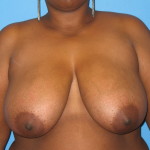
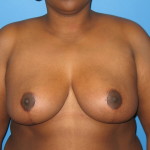
- Every breast reduction procedure is tailored to meet the needs of the specific patient. As with any elective surgical procedure, safety is of utmost importance. Appropriate prescreening and safety measures are always followed. There are various techniques that are used for breast reduction surgery. Although most patients focus on the large amount of breast tissue to be removed, also very important is what is left behind is what is left behind. The goal of breast reduction surgery is to reduce the size of the breasts to more proportional size while achieving breast symmetry and an aesthetically pleasing shape. The technique used to reduce the size of your breasts will be determined by your individual condition, breast composition, amount of reduction desired, your personal preferences and the Dr. Miles’ advice. View photos of actual breast reduction patient’s of Dr. Miles.
A thorough understanding of breast anatomy related to the blood supply and the innervation is essential. The breast tissue that is left behind after resection of the excess tissue must be sufficient to provide the nipple and areola with an adequate blood supply and innervation. This tissue is referred to as the breast pedicle. The skin flaps must also be of adequate thickness to minimize the chances of necrosis or wound healing problems. Many techniques for breast reduction surgery have been described over the years. Dr. Miles routinely utilizes different techniques based on what will provide the patient with the best results.
Most breast reductions use what is described as an “inverted T” pattern skin resection. Some patients also described this as the “anchor incision.” This incision is extremely effective for providing a conically shaped aesthetically pleasing breast. It is often necessary for larger breast reductions because it allows for the removal of a large areas of skin. It is also the most common skin resection pattern for breast reduction surgery. Some patients or best suited for a vertical pattern breast reduction. This procedure results in a “lollipop” shaped incision. In rare circumstances, breast reduction surgery is performed using only liposuction. This technique has limitations because it is difficult to elevate the nipple with only liposuction.
Dr. Miles will determine which technique will provide each patient with the best possible result. This will be determined during the consultation process after reviewing the medical history and performing the physical examination.
Who is a good candidate for a Charlotte breast reduction?
- Patients seek breast reduction surgery for a variety of reasons. Their breasts are generally too large in proportion to the rest of their bodies. This condition causes extreme dissatisfaction with self-image and leads to self-consciousness about physical appearance. Good candidates universally have large, heavy, pendulous breasts with nipples and areolas that have descended to some degree. In more severe cases, the nipples sometimes point directly downward. This lowering of the nipple position is referred to as ptosis. The desirable or youthful nipple position is at the lower breast crease when the breasts are unsupported. Large areolas are also associated with large breast size. Most patients also have some degree of breast asymmetry, as one breast is usually larger than the other. An additional benefit of breast reduction surgery is that breast asymmetries and large areolas can usually be corrected completely.
Patients who desire breast reduction surgery generally have physical symptoms that negatively impact their ability to perform many routine daily tasks. Physical activities are often limited by very large breast size and patients find it very difficult to exercise or participate in many of these activities. The symptoms are usually long-standing and patients are often referred by primary care doctors or other health care providers who have been treating the symptoms. Patient’s complain of significant back, neck and shoulder pain caused by the weight of the breasts. Symptoms of other medical conditions such as back or neck injuries can be exacerbated by the heaviness of the breasts. This heaviness also causes indentations in the shoulders from bra strap pressure. Skin discoloration can also occur. Many patients wear multiple brassieres which further aggravate and intensify the shoulder grooving. Large breasts can also cause chronic moisture and skin irritation underneath her breasts. This can lead to rashes or bacterial and fungal infections. An infection in this area as referred to as intertrigo. Many patients attempt to address this condition with powders, creams, or even antiperspirants which are cumbersome and usually ineffective.
Because breast reduction surgery is undertaken to address these described physical and emotional symptoms, it can safely be performed at any age after breast development. Minor patients routinely undergo the procedure as long as they meet certain screening criteria. Most plastic surgeons recommend waiting until breast development has stopped. Pregnancy and breast-feeding may have significant and unpredictable effects on the size and shape of your breasts. Nevertheless, many women decide to undergo breast reduction before having children and choose to address any subsequent unsatisfactory changes later. If you plan to have children or breast-feed in the years after breast reduction surgery, this should be discussed with your plastic surgeon.
Breast reduction surgery may be covered by a patient’s health insurance when it is performed to relieve medical symptoms. Most insurance providers have delineated very specific criteria for coverage which must be met prior to the procedure. Many insurers determine whether to categorize breast reduction surgery as a reconstructive procedure based on the amount of tissue that will be removed. This amount is usually determined from calculations based a patient’s height and weight. Pre-certification is required for reimbursement or insurance coverage. Insurance policies vary greatly and patients should carefully review their policy to determine coverage. Documentation of any treatment of symptoms by primary care and other health care providers is very important. Documented attempts to lose weight are also very helpful if a patient is above their ideal body weight. Dr. Miles will review these criteria during the consultation and his staff will help you with the preauthorization process.
As with any surgical procedure, risks are lower when patients are in good health. Smoking greatly increases the risk of complications with this procedure and smoking should be stopped prior to surgery to lower these risks. Smoking cessation cannot be overemphasized. Good candidates for breast reduction surgery must also have realistic expectations.
Where will my surgery be performed?
- Dr. Miles performs breast reduction surgery in the hospital setting. General anesthesia is performed by a board certified anesthesiologist. Dr. Miles works with an experienced group of assistants to ensure that the procedure is performed safely and efficiently. Many patients are discharged home the same day of surgery.
What are realistic expectations for a patient having a breast reduction?
- Long term, patients can expect relief of the symptoms that were caused by their large breasts. Patients undergoing breast reduction surgery are some of the most satisfied patients in plastic surgery. Surveys show that almost all of them would undergo the procedure again or recommend it to a friend who is experiencing symptoms from large breasts. Patients can expect clothing to fit better. Patients will commonly comment that it is much easier to shop for clothing. Patients can buy “regular” bras instead of those found only in specialty shops or by mail order. Many patients find it much easier to exercise after breast reduction surgery. This will often facilitate weight loss efforts. Patients are also very happy with the resulting improved size and shape of the breasts. Patients feel much more confident about their bodies. Breast reduction can be a life changing procedure for most women.
What are the common reasons why a patient wants a breast reduction?
- Patients who desire breast reduction surgery generally have physical symptoms that negatively impact their ability to perform many routine daily tasks. Physical activities are often limited by very large breast size and patients find it very difficult to exercise or participate in many of these activities. The symptoms are usually long-standing and patients are often referred by primary care doctors or other health care providers who have been treating the symptoms. Patient’s complain of significant back, neck and shoulder pain caused by the weight of the breasts. Symptoms of other medical conditions such as back or neck injuries can be exacerbated by the heaviness of the breasts. This heaviness also causes indentations in the shoulders from bra strap pressure. Skin discoloration can also occur. Many patients wear multiple brassieres which further aggravate and intensify the shoulder grooving. Large breasts can also cause chronic moisture and skin irritation underneath her breasts. This can lead to rashes or bacterial and fungal infections. An infection in this area as referred to as intertrigo. Many patients attempt to address this condition with powders, creams, or even antiperspirants which are cumbersome and usually ineffective.
How long does it take for a patient to recover from a breast reduction in North Carolina?
- Recovery from breast surgery is very well tolerated. Dr. Miles follows patients very closely after any surgical procedure and he is always available to answer any questions or address any concerns. After surgery, patients will have surgical dressings and the breasts will be wrapped with an elastic bandage. Many patients will have surgical drains placed during the procedure, which are small tubes placed under the skin to drain any excess blood or fluid that may collect. The drains are usually in place for only a few days and are painlessly removed in the office. All of the stitching is done with absorbable sutures and there are no sutures to remove after surgery. The wound care instructions and drain management is very simple.
All patients are given specific written instructions for breast reduction recovery during their preoperative appointment. These instructions will cover how to care for the breasts following breast reduction surgery, medications to take orally to aid healing and reduce the risk of infection, and specific concerns to look for at the surgical site or in your general health. Patients are followed very closely after surgery. Dr. Miles will answer any questions about what you can expect during your individual recovery period.
Patients generally take 1-2 weeks off from their regular activities. The office can provide excuse notes for work or school. However the overall healing process of the breasts will usually take about 6-8 weeks. The breasts will initially seem swollen and fuller on top. Early after the procedure, there can be visible bruising. Postoperative discomfort is usually mild and managed well with prescription pain medication. Most patients are off the pain medication within the first week. As the weeks go by, the breasts will settle and become more rounded and assume a more natural shape.


